
How to start talking to your child about being safe online
Talking to your child about being safe online can protect them, build trust and know how to get help. But knowing how to start these conversations can feel like a challenge.
Find tips to help you feel more confident.
On this page
- Why you should talk about being safe online
- Start small
- Talk about limits
- Things to remember
- Negative experiences online
- Get support
- Report something

Why you should talk about being
safe online
Setting up parental controls is a useful way to protect children from viewing or downloading harmful content but it cannot completely protect them.
Talking to your child about being safe online can help build trust and lets your child know what to do if they are worried or if something happens that makes them feel unsafe.

Start small
Starting a conversation with your child about being safe online doesn’t have to be long and complicated. You can start small, for example, asking your child about their day or about their interests.
You can use this as a building block, to begin talking about how things they do may link to online safety.
These conversations can be difficult at first and may require practice. If it doesn’t work the first time, you can try again on a different day.

Talk about limits
Talking about the parental controls you use at home can be a good place to start your conversations with your child.
For example, you can explain that the parental controls mean they can do the things they enjoy, like playing games, but without seeing something that might upset them.
You can also relax or remove some of those controls when the time feels right. This can give your child a goal to work towards that suits their age and helps them feel included in the decision.
It is good to remember that:
- the restrictions you use for your child may be different to that of their friends or siblings
- it is normal for children to be inquisitive and to want to push boundaries

Things to remember
Some things you should remember when you talk to your child:
- use an age appropriate real-life event as a starting point (for example, something that has been in the news about an online space they use)
- consider your own online behaviour when talking to your child about theirs
- being online is important to your child and is part of their daily life
- encouraging ‘no screens’ during certain times of the day, (such as putting phones away at mealtimes) can also encourage conversations without distractions

Negative experiences online
As your child gets older, they are more likely to question the parental controls or restrictions you use and may attempt to get around them, to access content you might not want them to see, such as age-restricted apps.
If your child tells you they have viewed, or experienced something negative online, ask them how they feel about it, and let them know it’s okay to be honest without worrying about getting in trouble.
If your child tells you about something that puts them in danger, you should act quickly to resolve it or report it. During this time you should keep talking to your child to let them know they are supported.
Help is available
These conversations are not always straightforward, particularly in the early stages, and may need practice.
These links can help with conversation starters for you and your child.
NSPCC guides:
‘Talking to your child about online safety’ and
‘How to talk to children about difficult topics’
Barnardo’s offers support on how to ’start conversations for parents of 10- to 12-year-olds’.
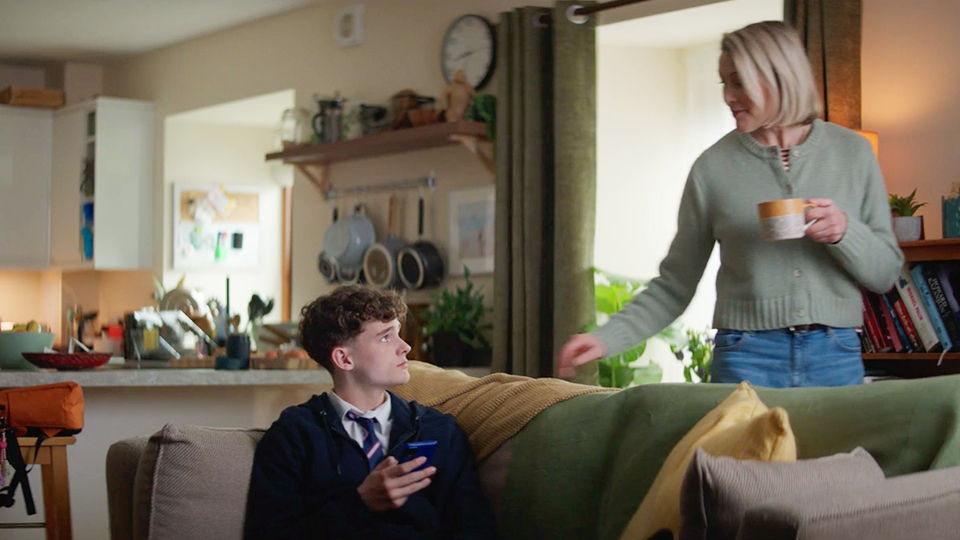
Find the right questions to talk with your child about toxic online content
Learn how to ask the right questions to help your child think critically about what they see online and get practical tips for starting open, supportive conversations.
Find out where to get support
Get support on the different topics of online safety or use a helpline to speak to an expert.

Know where to report something
If something happens online that upsets your child or puts them in danger, know where you can report it.

This is a new service. Help us improve it and give your feedback (opens in new tab).